UV printing and screen printing are both powerful methods for decorating products, signs, apparel, and promotional items, but they excel in different situations. UV is usually better for detailed, full‑colour, short‑run and multi‑material work, while screen printing shines for bold designs and large volumes.
What is UV Printing?
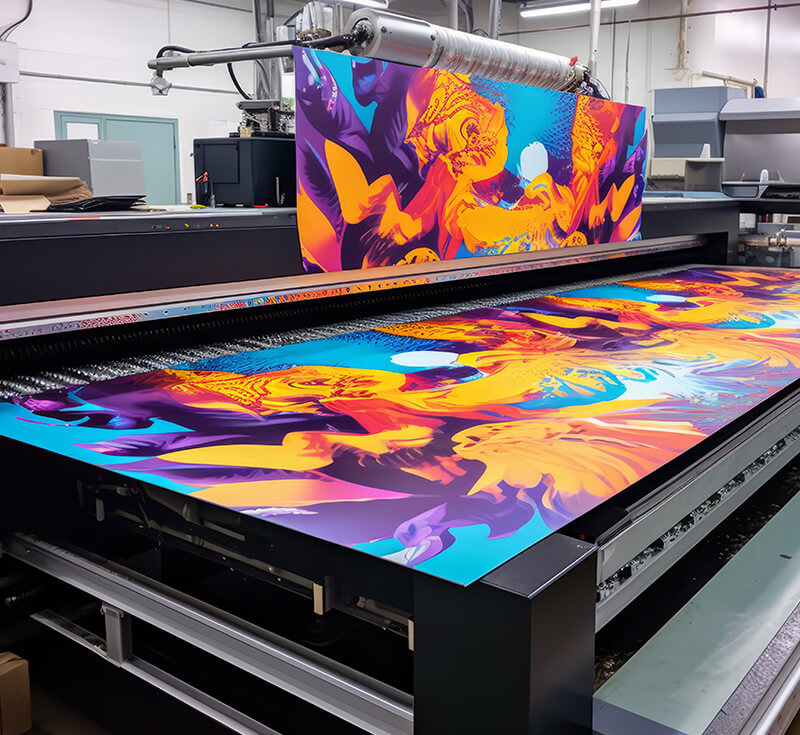
UV printing is a digital printing process that uses ultraviolet light to cure (harden) specially formulated inks instantly as they’re laid down on the surface. The design is sent directly from a computer to the printer, similar to how an inkjet works, but with industrial‑grade inks and curing.
Key points:
- No screens or plates.
- CMYK (plus white/varnish) inks for full‑colour images and gradients.
- Instant curing under UV lamps.
- Works on many materials: plastics, glass, metal, wood, acrylic, ceramics, and more.
What is Screen Printing?
Screen printing (silk‑screen) uses a mesh screen with a stencil. Ink is pushed through open areas of the screen onto the substrate with a squeegee. Each colour needs its own screen, and colours are printed layer by layer.
Key points:
- Requires screens and setup for each colour.
- Uses thicker, opaque inks.
- Best for bold, solid colours and simple designs.
- Common on garments, flat plastics, paper, signs, and promo items.
Print Quality and Appearance
UV Printing Quality
- Excellent for fine details, small text, and photographic artwork thanks to high‑resolution dots and CMYK blending.
- Smooth, relatively thin ink film that sits flush with the surface, often with a slight gloss if clear varnish is used.
- Capable of gradients, shadows, and complex multi‑colour images without extra setup.
Screen Printing Quality
- Produces bold, highly opaque colours with strong coverage, especially on dark substrates (e.g., dark fabric, coloured plastics).
- Inks lay down thicker, creating a noticeable, sometimes textured feel on the surface.
- Great for spot colours and solid logos, but less suited to smooth gradients or very detailed photographic images (each extra colour adds complexity and cost).
If your design is a full‑colour photo or has complex gradients, UV usually wins. For a simple, bold logo in 1–3 colours, screen printing often looks richer and more solid.
Materials and Versatility
Where UV Printing Excels
UV ink can adhere to a very wide range of substrates:
- Plastics (ABS, PVC, acrylic, polycarbonate)
- Metal
- Glass
- Wood
- Ceramics
- Some coated fabrics and leathers
- This makes UV ideal for:
- Phone cases, power banks, gadgets
- Acrylic signs, photo panels, and trophies
- Bottles, mugs (with suitable pretreatment and printers)
Packaging and prototypes
Where Screen Printing Excels
Screen printing is strongest on:
- Textiles and apparel (T‑shirts, hoodies, bags)
- Flat rigid items like panels, simple plastics, paper, and some metals
- Items where a thick, tactile ink layer is desired
It’s the classic choice for:
- T‑shirts and uniforms
- Simple single/spot‑colour signage
- Long‑run printed bags and promotional fabric items
- UV wins on substrate range; screen is still king on bulk fabrics and simple flat items.
Durability and Performance
UV Printing Durability
- UV‑cured inks are hard, scratch‑resistant, and water‑resistant once cured.
- Good resistance to fading, especially with quality inks and proper settings.
- Often suitable for indoor and many outdoor uses; can be enhanced with clear coats or laminates for harsh environments.
Screen Printing Durability
- With the right inks and curing, screen prints are very durable, especially on fabrics and some plastics.
- On textiles, properly cured plastisol or water‑based inks can withstand many wash cycles.
- On rigid materials, durability depends on ink type and curing; some traditional inks may be less scratch‑resistant or weather‑resistant than UV without extra coatings.
Both can be durable; UV generally offers better abrasion and chemical resistance on hard surfaces, while screen printing is tried‑and‑tested for apparel.
Cost, Quantity, and Setup
UV Printing Costs
Low setup cost: No screens or films; you just load the file and print.
Cost scales mainly with ink usage and time, so it’s very economical for:
- Small and medium runs
- One‑off custom pieces
- Many variations (names, designs, versions)
- Because setup is minimal, UV is ideal when you need 1–500 pieces per design, or frequent artwork changes.
Screen Printing Costs
High setup cost per design and per colour:
- Screens need to be made and aligned.
- Each extra colour = another screen + extra setup time.
- Once setup is complete, it becomes very efficient for large runs, driving the per‑unit cost down.
In practice:
Small quantities (e.g., 10–100 pieces, multi‑colour): UV usually cheaper.
Large bulk runs (hundreds/thousands of the same simple design): screen printing is usually cheaper per unit.
Speed and Turnaround
UV printing:
- No plates/screens, instant curing; often same‑day or very short lead times.
- Great for just‑in‑time production or last‑minute changes.
Screen printing:
- Setup (art separation, screen exposure, registration) plus drying/curing time.
- Very fast once running for large batches; slower and less efficient for many small orders or frequent artwork changes.
If your jobs are varied and time‑sensitive, UV offers more flexibility.
Environmental Considerations
UV printing:
- UV inks generally contain fewer volatile organic compounds (VOCs) and cure instantly, so there’s less energy used for drying and fewer emissions.
- Minimal waste in setup, especially compared to traditional screen processes.
Screen printing:
- Traditional inks and cleaning chemicals can involve more solvents and water usage.
- Emulsions, washout, and screen cleaning create additional waste streams.
- Modern eco‑focused shops can mitigate this, but UV is often considered the more environmentally friendly option in many setups.
So, Which is Better?
Neither UV printing nor screen printing is universally “better”—the right choice depends on your project:
Choose UV printing if:
- You need short runs, prototypes, or frequent design changes.
- Your artwork is full‑colour, detailed, or uses gradients.
- You’re printing on mixed or non‑traditional materials (acrylic, metal, glass, wood, gadgets).
- You want fast turnaround and the option to personalise each piece.
Choose screen printing if:
- You’re producing large quantities of the same design, especially on textiles.
- Your design is simple, bold, and uses a few solid colours.
- You want a thick, tactile ink feel on fabric or flat items.